- English
- 简体中文
- Español
- Português
- русский
- Français
- 日本語
- Deutsch
- tiếng Việt
- Italiano
- Nederlands
- ภาษาไทย
- Polski
- 한국어
- Svenska
- magyar
- Malay
- বাংলা ভাষার
- Dansk
- Suomi
- हिन्दी
- Pilipino
- Türkçe
- Gaeilge
- العربية
- Indonesia
- Norsk
- تمل
- český
- ελληνικά
- український
- Javanese
- فارسی
- தமிழ்
- తెలుగు
- नेपाली
- Burmese
- български
- ລາວ
- Latine
- Қазақша
- Euskal
- Azərbaycan
- Slovenský jazyk
- Македонски
- Lietuvos
- Eesti Keel
- Română
- Slovenski
- मराठी
- Srpski језик

Global Hydraulic Press Market Poised for Significant Growth as Composites and Lightweight Materials Drive Demand
The global hydraulic press market is experiencing a transformative phase, with industry analysts projecting a compound annual growth rate (CAGR) of over 6.5% through 2030. This growth is largely fueled by the accelerating adoption of composite materials across automotive, aerospace, and renewable energy sectors, coupled with the increasing need for large-scale metal forming solutions in emerging economies.
Composites Manufacturing Reshaping Industrial Landscape
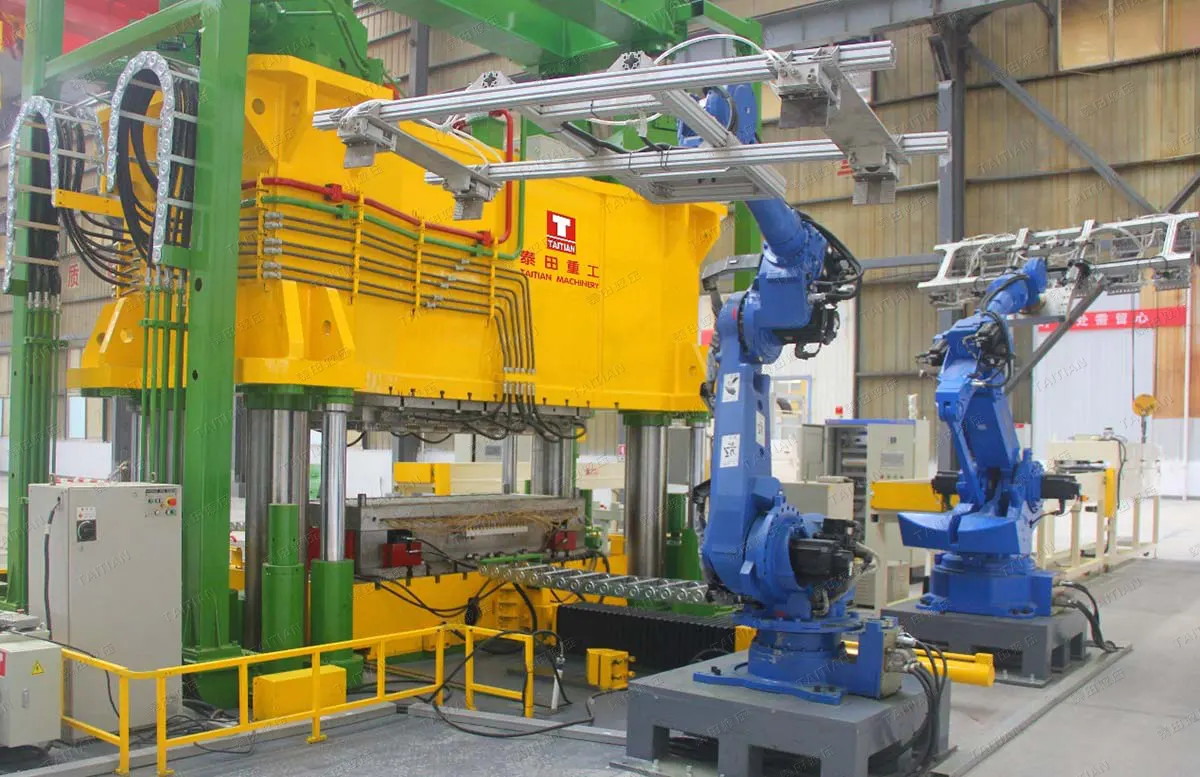
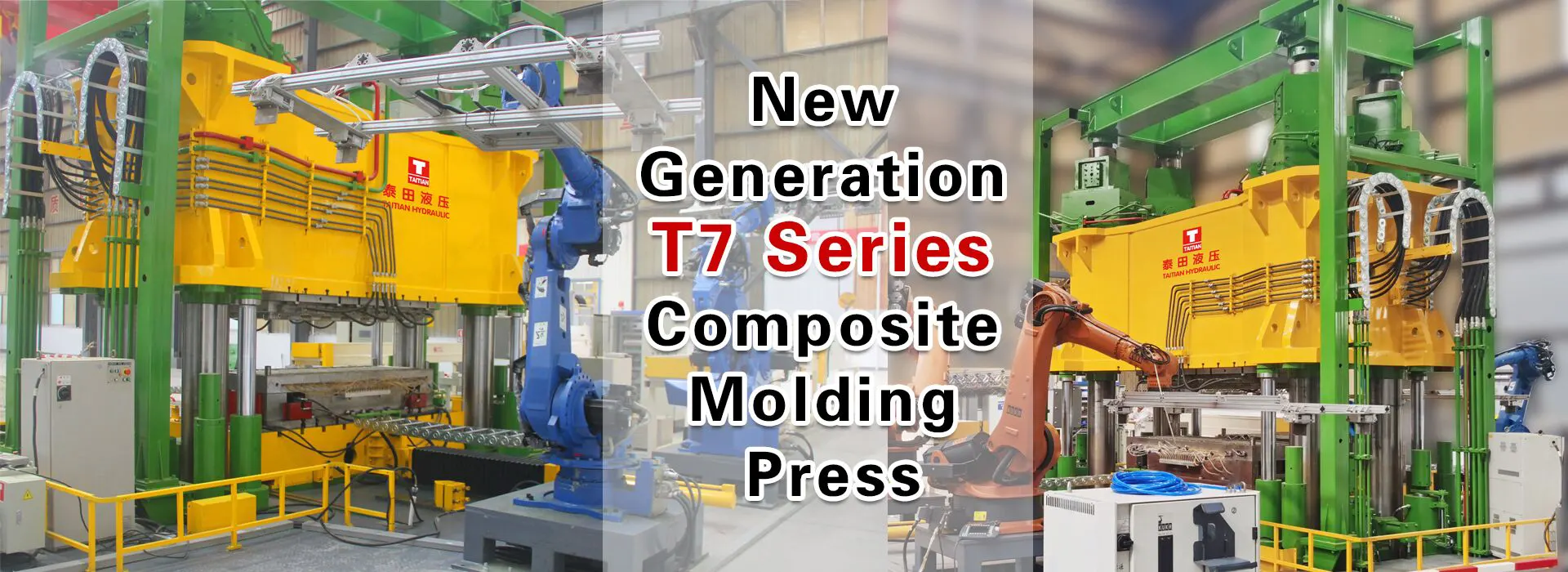
The composites industry is experiencing unprecedented demand, particularly in the automotive sector where lightweighting has become a critical strategy for electric vehicle manufacturers seeking to extend battery range. SMC (Sheet Molding Compound), BMC, and carbon fiber reinforced polymers are increasingly replacing traditional steel components, driving the need for specialized composites hydraulic presses capable of delivering precise temperature control and high-speed cycle times.
Industry data indicates that the global composites market is expected to reach $130 billion by 2028, with hydraulic pressing equipment accounting for a significant portion of manufacturing investments. Leading automotive OEMs are investing heavily in new press lines specifically designed for composite body panels, interior components, and structural parts.
Market analysts note: "The shift from metal to composites in automotive manufacturing is not a trend but a fundamental transformation. Hydraulic press manufacturers that can deliver precision, speed, and energy efficiency will capture the lion's share of this growing market."
Metal Forging Presses Gain Momentum in Green Energy Sector
Beyond composites, the hydraulic forging press segment is witnessing robust growth driven by renewable energy infrastructure development. Large-scale forging presses are essential for manufacturing wind turbine bearing rings, gearbox components, and tower connection flanges. With global wind power capacity expected to double by 2030, the demand for high-tonnage forging equipment is surging.
Emerging applications in aerospace and defense are also contributing to market expansion. Next-generation aircraft require increasingly complex titanium and aluminum alloy components that demand the precision and force that only advanced hydraulic presses can provide. The trend toward near-net-shape forging is further pushing press manufacturers to innovate with servo-hydraulic systems and real-time process controls.
Technological Innovations Redefining Performance Standards
The hydraulic press industry is undergoing significant technological evolution, with Industry 4.0 integration becoming a standard expectation rather than a premium feature. Modern presses now incorporate:
- AI-Powered Process Monitoring: Real-time sensors combined with machine learning algorithms enable predictive maintenance and consistent part quality.
- Energy Recovery Systems: Advanced hydraulic circuits that recover and store energy during decompression phases, reducing overall power consumption by 15-30%.
- Digital Twin Technology: Virtual simulations of press operations allow manufacturers to optimize parameters before physical production, minimizing material waste.
- Adaptive Control Systems: Automatic adjustment of speed, pressure, and temperature based on real-time feedback from material behavior.
Regional Market Dynamics
The Asia-Pacific region continues to dominate the hydraulic press market, accounting for over 45% of global production capacity. China, in particular, has emerged as both a major manufacturing hub and an increasingly sophisticated consumer of high-end hydraulic equipment. Domestic manufacturers like Taitian Machinery are now competing with established European and Japanese brands by offering comparable quality at competitive price points.
North America and Europe remain critical markets for premium applications, particularly in aerospace and high-performance automotive segments. These regions are characterized by stringent quality standards and a willingness to invest in advanced automation features. The trend toward reshoring manufacturing operations is also creating new opportunities for press manufacturers with strong local service capabilities.
Challenges and Opportunities Ahead
Despite the positive outlook, the hydraulic press industry faces several challenges. Supply chain disruptions, particularly in the availability of high-quality hydraulic components and specialized steels, continue to impact production timelines. Additionally, the industry is under increasing pressure to reduce its environmental footprint, driving investment in more efficient pump designs and biodegradable hydraulic fluids.
However, these challenges are also driving innovation. Manufacturers that embrace sustainability as a core design principle are finding new market opportunities. The growing emphasis on circular economy principles is prompting press makers to develop equipment that extends tool life and facilitates material recycling.
Industry Outlook: The hydraulic press market is projected to reach $12.5 billion by 2030, with composites presses representing the fastest-growing segment. Manufacturers with strong R&D capabilities and a customer-centric approach are best positioned to capture value in this evolving landscape.
Looking Ahead: The Next Decade of Hydraulic Press Technology
As the industry looks toward 2030 and beyond, several emerging trends are likely to shape the hydraulic press market:
- Hybrid Press Technologies: Combining hydraulic and electric drive systems to optimize energy efficiency and precision for specific applications.
- Modular Design Architecture: Standardized press frames with interchangeable components to reduce lead times and enable rapid customization.
- Remote Service Capabilities: Augmented reality tools enabling maintenance technicians to diagnose and resolve issues without on-site visits.
- Material Innovation Collaboration: Closer partnerships between press manufacturers, material suppliers, and end-users to co-develop process solutions.
For companies like Taitian Machinery, with 46 years of hydraulic press experience and a commitment to European technology standards, the current market environment presents substantial opportunities. The company's recent expansion to a 60,000-square-meter production base in Zhangzhou, equipped with six large CNC machining centers and advanced heat treatment facilities, positions it to meet growing global demand across all press categories.
As the industry continues to evolve, one thing remains clear: hydraulic presses will remain indispensable for manufacturing the components that power modern society. The companies that invest in innovation, quality, and customer partnerships will define the next chapter of this essential industry.
About the Author: This industry analysis is provided by the editorial team at Taitian Machinery Technology Group, drawing on market research and insights from industry experts to keep our customers and partners informed about the latest developments in hydraulic press technology and applications.